



 Summarize with ChatGPT
Summary:
The science of vegan baking focuses on replacing eggs, dairy, and butter with plant-based alternatives that maintain structure, moisture, and flavour. This guide explains how ingredients interact, helping you master fluffy cakes, chewy biscuits, and perfectly balanced vegan desserts with consistent, delicious results.
Understanding the science of vegan baking
Vegan baking is not just about removing animal products. It is about understanding how traditional ingredients function and finding plant-based alternatives that replicate those roles. Every ingredient in baking has a purpose, from binding and leavening to adding moisture and flavour.
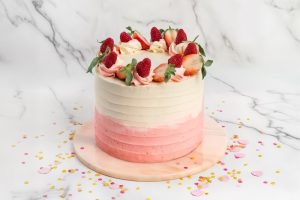
Eggs, for example, provide structure and stability, while butter contributes richness and tenderness. In vegan baking, these roles are recreated using ingredients like flaxseeds, plant oils, and fruit purées. Many modern artisan bakeries, including those offering vegan cakes, demonstrate how these substitutions can produce bakery-quality results without compromise.
The role of key components in vegan baking
To master vegan baking, it is essential to understand the science behind each component.
Binding agents
Eggs are typically replaced with flax eggs or chia eggs. When mixed with water, these seeds form a gel-like consistency that helps hold ingredients together. This technique is widely used in vegan brownies and cakes like those found in curated plant-based dessert collections.
Leavening agents
Baking soda and baking powder remain essential. However, vegan recipes often rely more heavily on acid-base reactions using ingredients like apple cider vinegar or lemon juice to create lift—key to achieving the light texture seen in high-quality vegan sponge cakes.
Fats and moisture
Butter is replaced with coconut oil, vegetable oil, or vegan butter. These fats affect texture, making baked goods either tender or crisp. Premium bakeries specialising in
gluten-free vegan bakes often fine-tune fat combinations to achieve the same richness as traditional pastries.
Sweeteners
Natural sweeteners like maple syrup or coconut sugar not only add sweetness but also influence moisture and caramelisation, contributing to the depth of flavour in vegan desserts.
How egg substitutes affect texture
Egg substitutes are one of the most important aspects of vegan baking science. Different substitutes create different textures, so choosing the right one is crucial.
- Flax or chia eggs
Best for dense baked goods like brownies and muffins. - Mashed bananas
Add moisture and natural sweetness, ideal for cakes and quick breads. - Applesauce
Works well in soft, moist desserts but can slightly alter flavour. - Aquafaba
The liquid from canned chickpeas can mimic egg whites and is perfect for meringues and light, airy desserts, commonly used in professional vegan patisserie and elegant vegan celebration cakes.
The chemistry behind vegan baking success
The success of vegan baking lies in chemical reactions. When baking soda reacts with an acid, it produces carbon dioxide, which helps baked goods rise. Without eggs, achieving the right balance of air and structure becomes even more important.
Gluten development also plays a role. Overmixing can make baked goods tough, while undermixing can prevent proper structure. Skilled vegan bakers-like those creating refined
artisan vegan desserts, carefully control mixing techniques to achieve the ideal texture.
Common vegan baking techniques
Understanding technique is just as important as understanding ingredients.
- Measuring accurately
Precise measurements ensure proper chemical reactions. - Balancing wet and dry ingredients
Too much moisture can make desserts dense, while too little can cause dryness. - Controlling temperature
Oven temperature affects rise, texture, and overall consistency. - Resting batter
Allowing batter to sit briefly can improve hydration and structure.
Popular vegan baking recipes to try
Once you understand the science, you can confidently experiment with recipes.
- Vegan chocolate cake with flax eggs
- Dairy-free banana bread with oat flour
- Vegan biscuits with coconut oil
- Aquafaba-based meringues
- Plant-based brownies with avocado
These recipes highlight how different ingredients interact to create unique textures and flavours, similar to the variety seen across premium vegan bakery selections.
Mistakes to avoid in vegan baking
Even experienced bakers can struggle when transitioning to vegan methods.
- Using the wrong egg substitute for the recipe
- Ignoring the balance of acids and leavening agents
- Overmixing batter, leading to dense textures
- Substituting ingredients without understanding their function
Avoiding these mistakes will help you achieve consistent and professional results.
FAQ about the science of vegan baking
Why is vegan baking more challenging than traditional baking?
It requires a deeper understanding of ingredient functions since eggs and dairy play multiple roles in recipes.
What is the best egg substitute for baking?
It depends on the recipe. Flax eggs are versatile, while aquafaba is best for airy textures.
Does vegan baking change the taste of desserts?
Not necessarily. With the right ingredients and techniques, vegan desserts can be just as rich and satisfying.
Can I convert any recipe into a vegan one?
Most recipes can be adapted, but it may take experimentation to get the texture and flavour right.
Why are my vegan baked goods dense?
This often happens due to improper leavening, overmixing, or using the wrong substitutes.
Final thoughts on the science of vegan baking
The science of vegan baking opens up a world of creativity and innovation. By understanding how ingredients work together, you can create desserts that are not only plant-based but also delicious, balanced, and satisfying. Mastering these principles allows you to bake with confidence and consistency every time.